If you don't know how to write code, you might feel like the door to game development is locked. You picture yourself struggling through thousands of lines of C++ or C# syntax errors just to make a square jump over a circle.
Let's clear up a massive industry misconception: Game design is not programming.
While programming is the act of writing the code that makes the engine execute instructions, game design is the act of architecting the experience. Designers focus on player psychology, economy loops, environmental affordances, and choice mechanics.
If you don't want to code, or if you want to learn design principles before diving into programming, here is exactly how you can design deeply engaging games.
1. The Power of "No-Code" Visual Scripting
In 2026, the barrier between an idea and a working digital prototype has completely dissolved. Visual scripting systems allow you to build complex game logic visually, using connected flow nodes rather than lines of text.
| Engine / Tool | Scripting Method | Ideal For |
|---|---|---|
| GDevelop | Event-Based If/Then Blocks | 2D Platformers, Puzzlers, Arcade Games |
| Construct 3 | Visual Behavior Sheets | Rapid 2D Prototyping, Mobile Web Games |
| Unreal Engine (Blueprints) | Node-Based Flow Graphs | High-End 3D Games, Physics Systems |
| Twine | Hyperlinked Text Nodes | Narrative RPGs, Branching Dialogue Trees |
Using these tools, you are still practicing computational logic (if player overlaps key unlock door play sound effect), but without the friction of syntax errors.
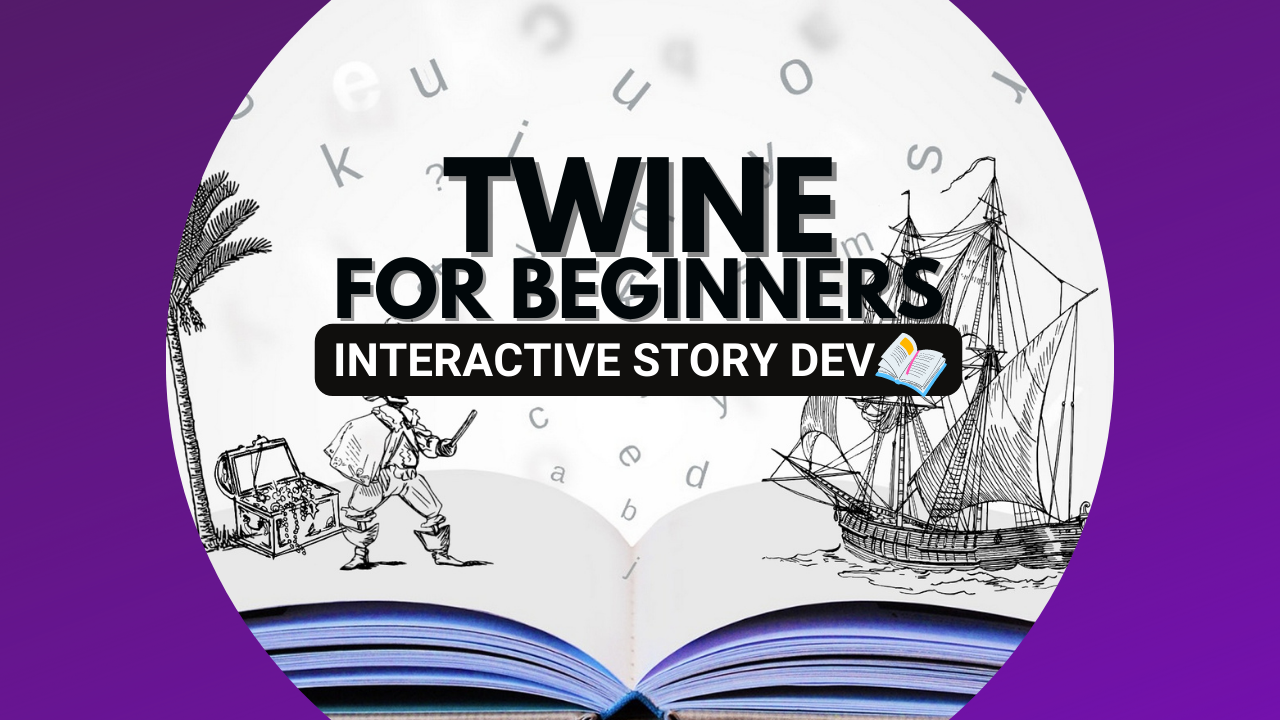
2. Mastering Interactive Narrative in Twine
Some of the most critical elements of game design—such as invisible choices, pacing, and player empathy—can be fully mastered using purely text-based systems.
In Twine, you design branching narrative paths where choice is your primary game mechanic. You learn how to construct a "choice space" that doesn't just offer the illusion of agency, but forces players to grapple with moral dilemmas and systemic consequences.
3. Paper Prototyping & Tabletop Systems
Many of the world's most successful digital game designers start their careers designing physical tabletop games.
When you design a board game or a card game, you are designing pure systems mechanics. You must write clear, unambiguous rules (the "code" of the game) that players must execute manually.
Designing a fun board game teaches you:
System Balance: Is one card or strategy statistically overpowered?
Pacing & Tension: Does the game drag in the middle, or build to a thrilling climax?
UI/UX Design: Can players easily look at the board state and understand their options?
Your First Steps as a No-Code Designer
You do not need a compiler to start designing games. You simply need a structured way to outline rules, motivations, and player psychological loops.
Our Free Game Design Starter Kit contains code-free templates, systems balance worksheets, and rapid paper prototyping guides to help you start designing playable experiences today without writing a single line of code.