You’ve built a game with beautiful graphics, tight code, and a compelling story. But when you look at your early dashboard metrics, you notice a horrifying trend: 50% of your players quit within the first ten minutes of downloading your build.
Why does this happen?
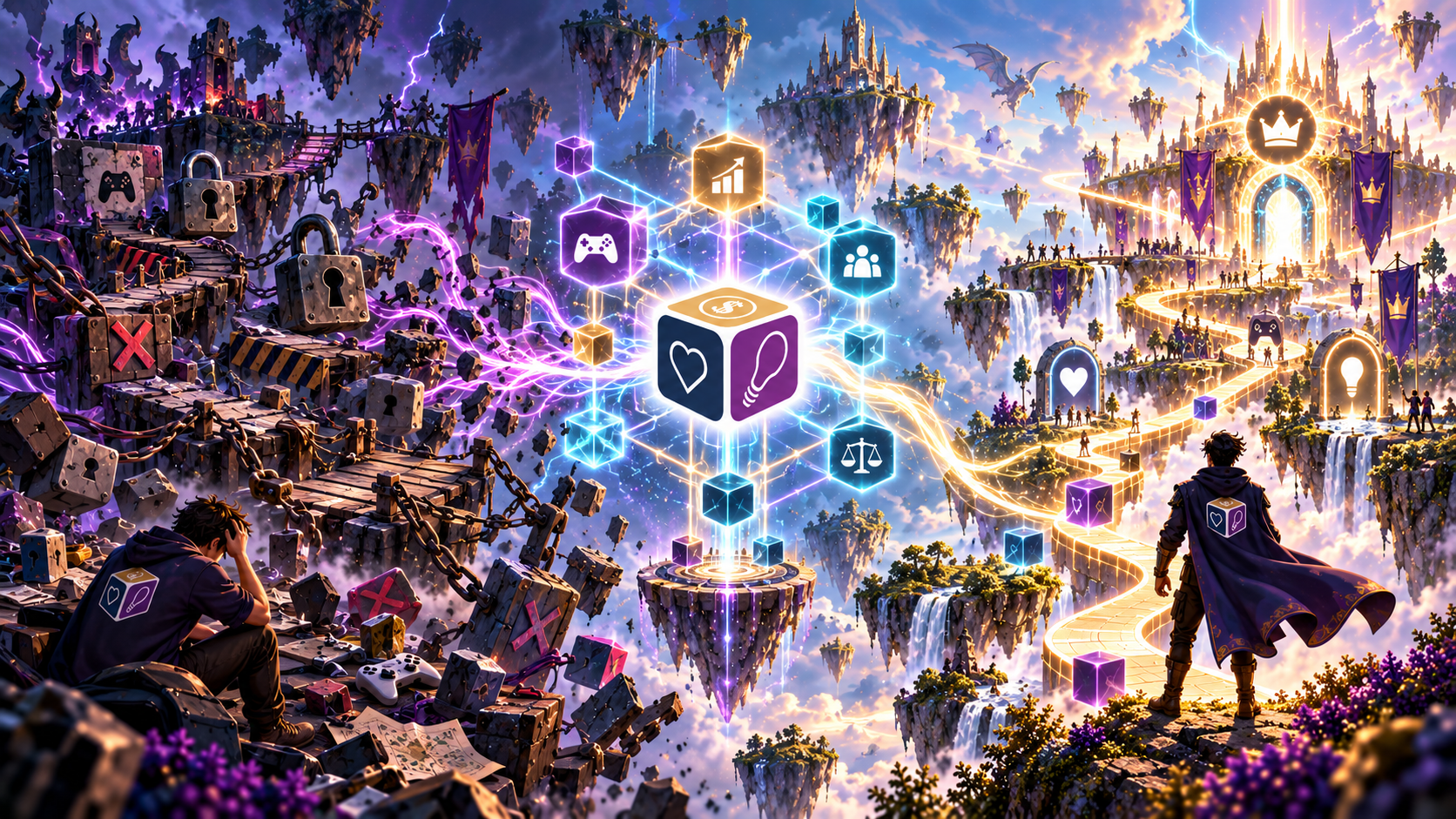
In game development, player abandonment is rarely caused by a bad storyline or a lack of content. It is caused by design friction.
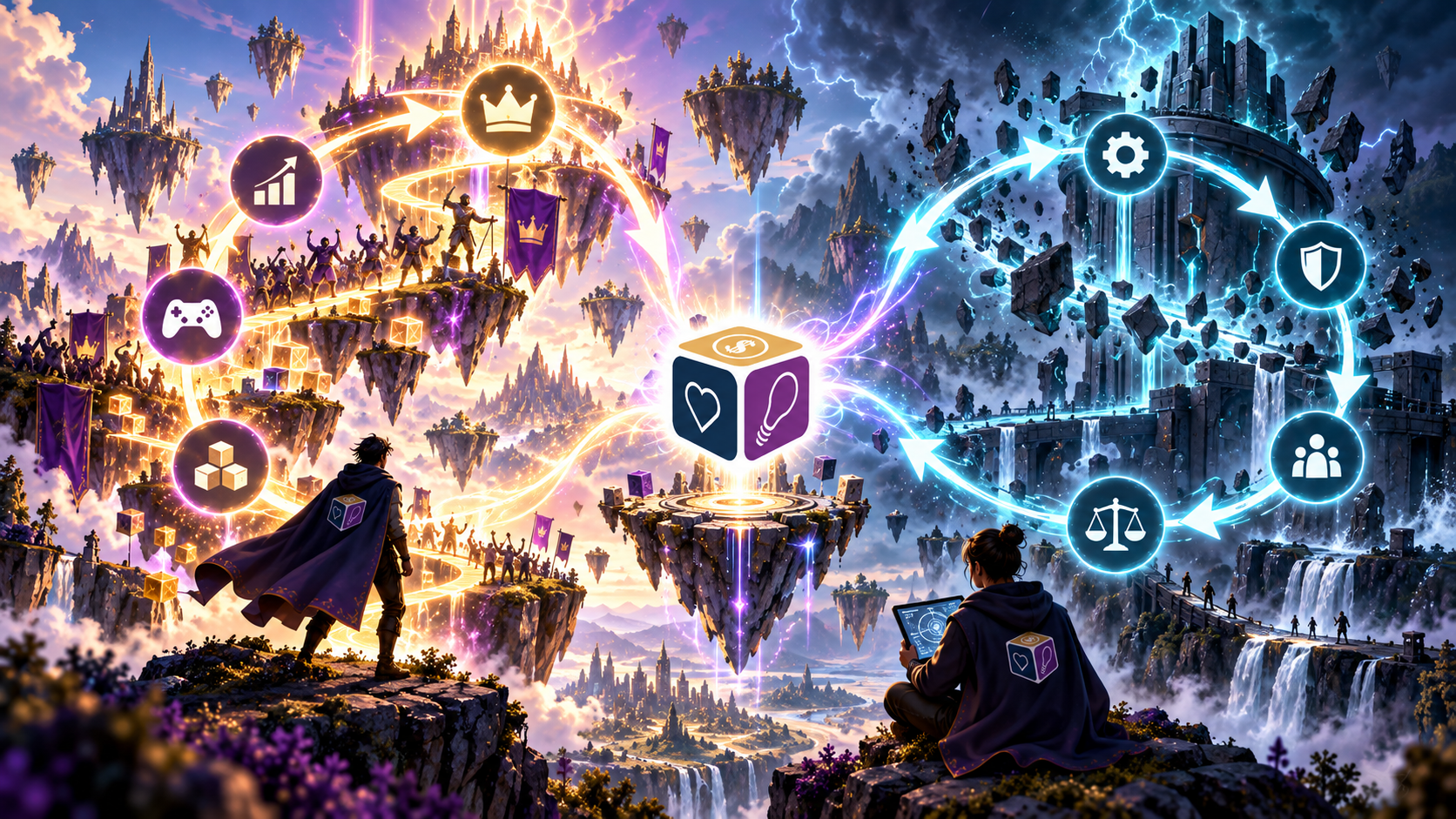
To protect your retention metrics, you must understand The Friction Matrix and know how to eliminate barriers to player agency.
The Friction Matrix
├── Cognitive Friction ──> Overwhelming tutorials & confusing UI
├── Physical Friction ───> Clunky control response & sluggish frame rates
└── Systemic Friction ───> Repetitive loops & boring grind (Skinner boxes)
1. Cognitive Friction (The Explanatory Barrier)
Cognitive friction occurs when a player must expend unnecessary mental energy simply trying to understand how to play your game.
The Culprit: Flooding the screen with three consecutive pages of text tutorials explaining basic actions.
The Fix: Use environmental affordances. Let players learn by doing in a safe, low-risk sandbox before introducing high-stakes challenges.
2. Physical Friction (The Control Barrier)
Physical friction is the disconnect between a player's physical input and the character's reaction on screen.
The Culprit: High input latency, sluggish acceleration curves on character movement, or non-responsive menu navigation.
The Fix: Focus intensely on game feel and juice. Add micro-visual feedbacks (such as minor particles upon landing a jump, or responsive screen shake during physical impacts) to make control feel instantaneous and tactile.
3. Systemic Friction (The Progression Barrier)
Systemic friction occurs when the gameplay loop degrades into a repetitive, non-enriching task that disrespects the player's intelligence.
The Culprit: Using predatory "Skinner box" compulsion loops that force players to grind identical tasks for hours simply to unlock progress.
The Fix: Ensure every major challenge offers meaningful choice, allowing players to discover unique pathways and experience authentic agency rather than arbitrary barriers.
Protect Your Player Retention
Don't let bad onboarding ruin your hard work. Start with our Free Game Design Starter Kit to structure the core player experience, then explore The Serious Game Design School for deeper work with player psychology, motivation, feedback, and systems thinking.