

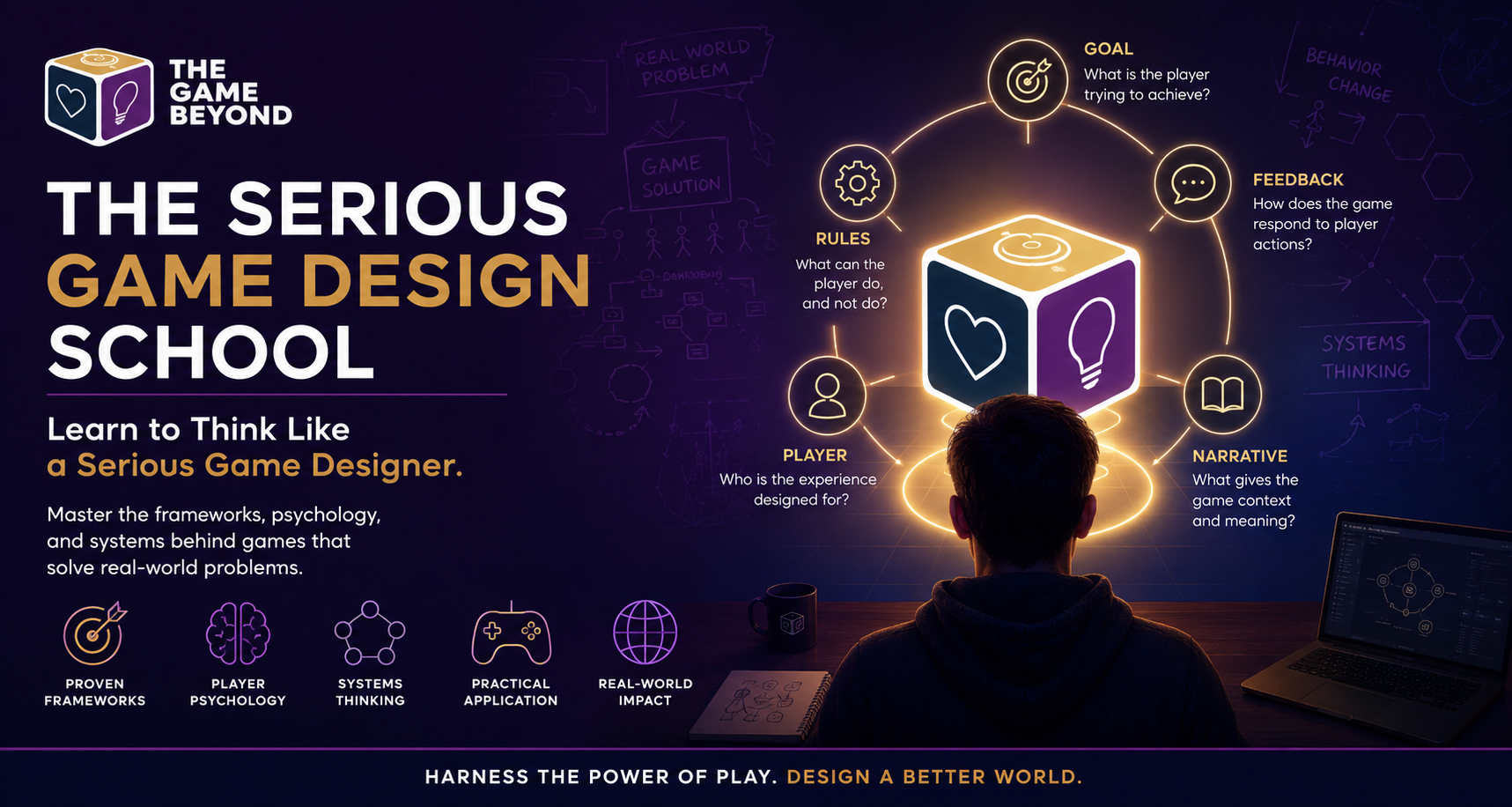
Learn to Think Like a Serious Game Designer
A guided path to understanding the frameworks, psychology, systems, and practical tools behind meaningful game design.
Go from core game design principles to serious games, player psychology, interactive narrative, and hands-on creation in Twine and Scratch.
What You’ll Learn
Game Design Foundations — Core principles, mechanics, systems, feedback, and player experience.
Serious Games — Learn how games can address education, behavior, training, and real-world problems.
Player Psychology — Understand motivation, engagement, player types, and behavioral design.
Systems Thinking — See how rules, incentives, resources, and feedback loops create emergent play.
Interactive Narrative — Design meaningful choices, branching stories, and player-driven experiences.
Hands-On Game Creation — Put the ideas into practice by building projects in Twine and Scratch.
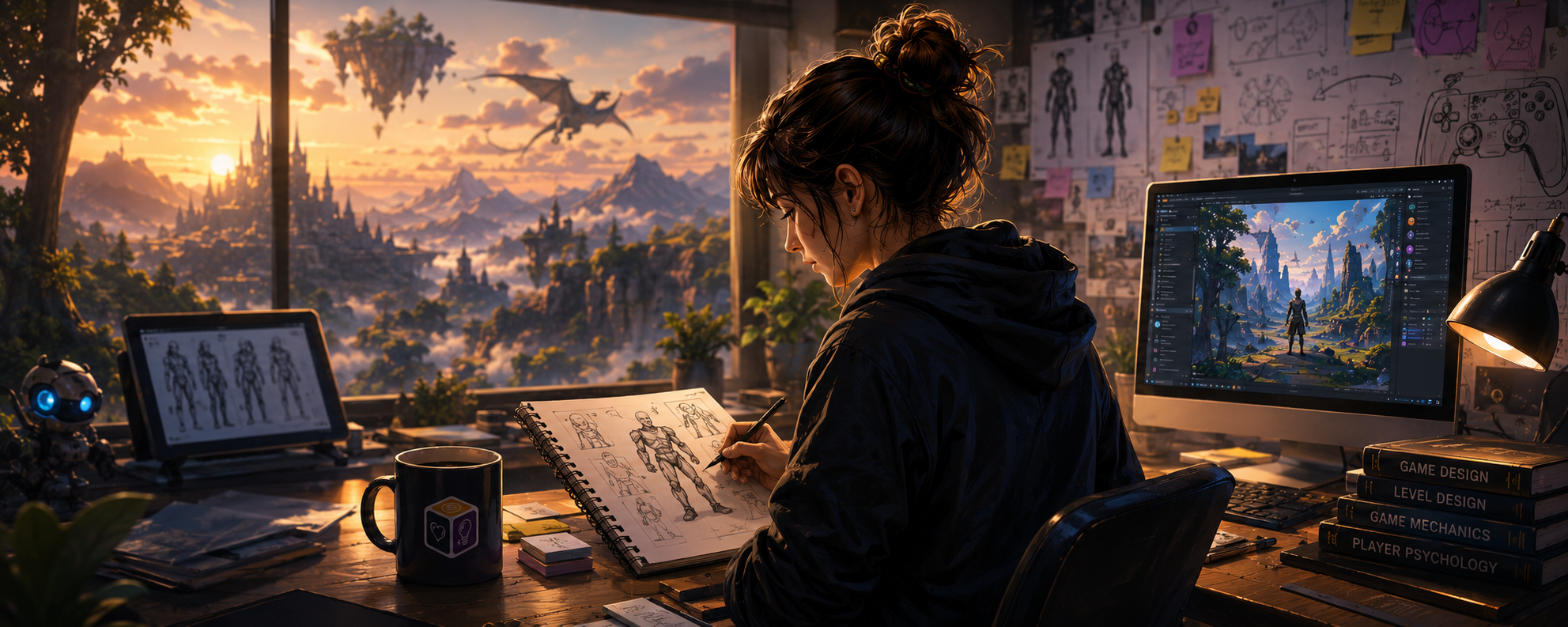
Who This School Is For
The Serious Game Design School is designed for people who want to understand how games work—not just how to make them look good.
Aspiring Game Designers
You have ideas for games but want a clearer understanding of mechanics, systems, player experience, and the design process.
Serious Game & Experience Designers
You want to use games for education, training, behavior change, communication, or other real-world purposes.
Creative Professionals & Educators
You work in storytelling, media, education, UX, or interactive experiences and want to bring game-design thinking into your work.
No prior programming or professional game-development experience is required.
Your Path Through the School
Start with the fundamentals, then progressively move into systems, psychology, serious games, narrative, and hands-on creation.
1. Build Your Game Design Foundation
Learn the core language of game design: goals, rules, mechanics, feedback, challenge, player experience, and meaningful choices.
2. Understand How Game Systems Work
Explore frameworks such as MDA and systems thinking to understand how mechanics combine to create player behavior and emergent experiences.
3. Design for Real-World Impact
Learn the principles behind serious games and how game systems can support education, training, communication, behavior change, and other real-world goals.
4. Understand the Player
Study motivation, player psychology, engagement, and behavioral models so you can design experiences around how people actually think and act.
5. Create Interactive Experiences
Apply what you have learned through interactive narrative and practical projects using tools such as Twine and Scratch.
Plan on approximately 10–12 weeks to work through the complete School at a steady pace, while learning on your own schedule.
Your Enrollment Includes
Everything you need to work through the Serious Game Design School and apply what you are learning.
Complete Serious Game Design School
Access to the complete curriculum while the School remains available.
Downloadable Workbook
Exercises and worksheets that help you apply the frameworks and organize your design thinking.
Certificate Pathway
Complete the required School work to progress toward your course certificate.
Discord Learning Community
A place for course discussion, questions, feedback, and sharing your work.
AI Teaching Assistant
Get help understanding concepts and identifying your next step inside the Discord community.
GameForge Access
Use GameForge tools—including CharacterForge and WorldForge—to experiment with characters, motivations, environments, narrative ideas, and game concepts.
Also included
GameForge Creator Pack — $10 value
Learn the Theory. Then Experiment With It.
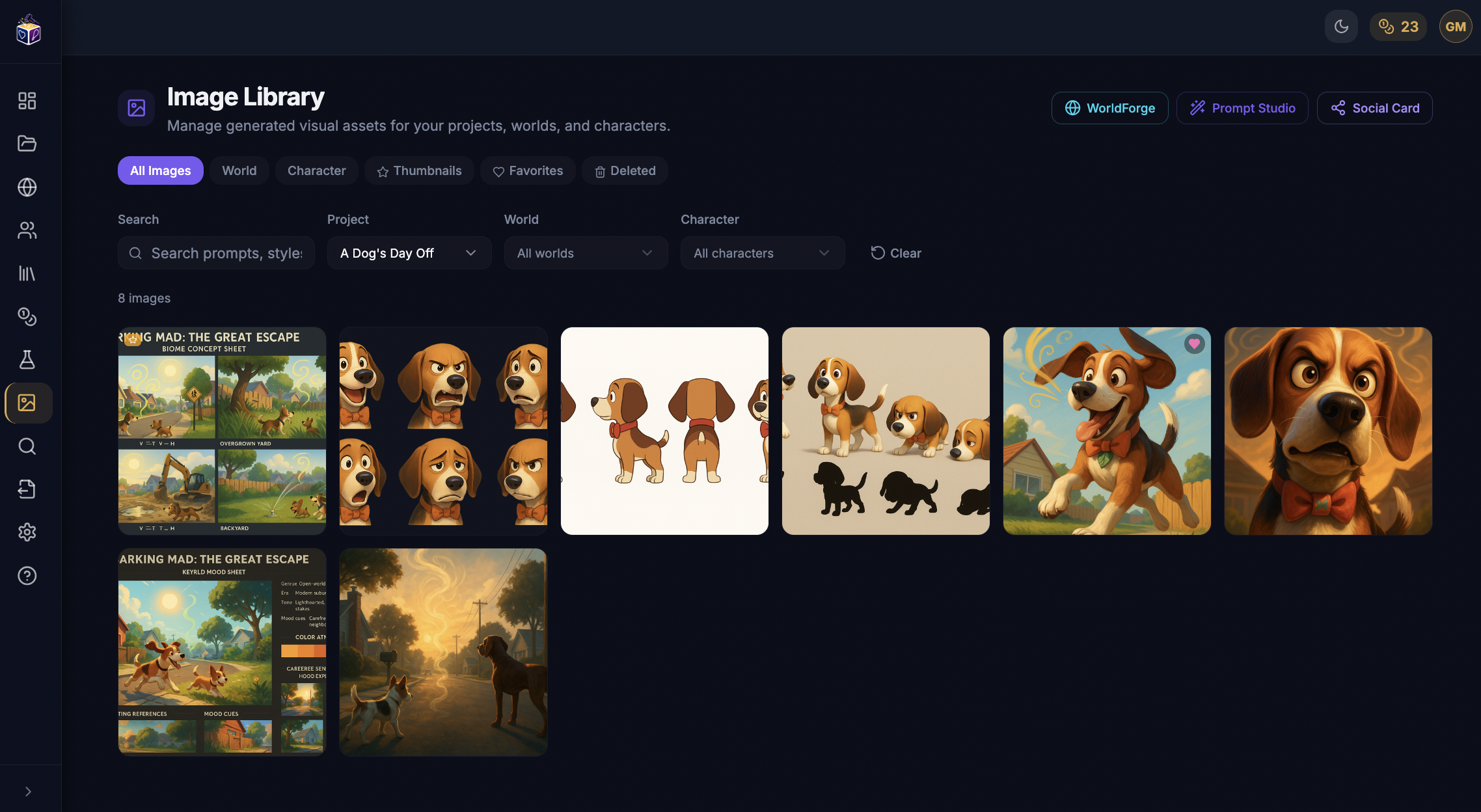
GameForge gives you AI-assisted tools for exploring game-design concepts while you work through the School.
Use CharacterForge and WorldForge to develop characters, motivations, environments, narrative ideas, and game concepts as you learn.
Every School enrollment includes a GameForge Creator Pack so you can start experimenting immediately.
Additional credits are available as optional top-ups when you need them.
You Don’t Have to Study Alone.
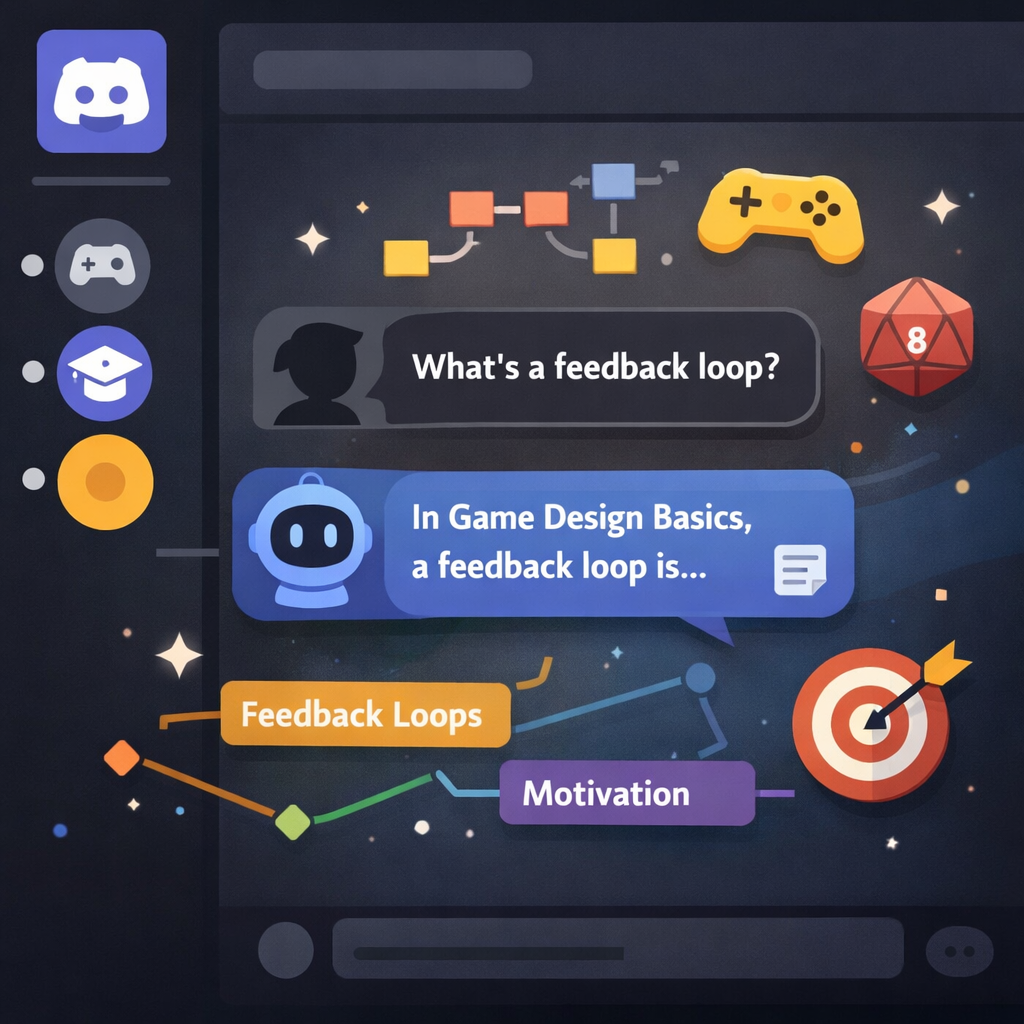
Students receive access to The Game Beyond Discord community for:
Course discussion
Feedback
Questions
Sharing projects and ideas
Access to the AI Teaching Assistant
The AI Teaching Assistant is there when you need help understanding a concept or finding your next step.
Learn From Gabe Mac
Gabe Mac is a Serious Game Designer, educator, speaker, and consultant with more than 20 years of experience working with games, interactive media, gamification, and behavioral design.
The School curriculum grew from material developed for teaching Serious Game Design at college level and from professional work across the games and technology industries.
His experience includes work with organizations such as Microsoft, Guerrilla Games, T-Mobile, and others, as well as speaking at international technology and design events.

Enroll in The Serious Game Design School
Choose the payment option that works for you. Every option gives you the same School access.

Frequently Asked Questions
-
You’ll learn how to think about games as interconnected systems and how to design them deliberately.
The School covers:
Serious Game Design and gamification
Mechanics, Dynamics & Aesthetics (MDA)
Player psychology and motivation
Behavioral models
Feedback, affordance, and game feel
Interactive narrative
Game systems and player experience
Practical experimentation with Scratch, Twine, and GameForge
-
The School is designed for:
Aspiring game designers
Serious game and experience designers
Teachers and educators interested in game-based learning
Marketers and communication professionals interested in engagement
UX, interactive-media, and creative professionals
Anyone who wants to better understand why games work
No professional game-development background is required.
-
The curriculum includes:
Game Design Fundamentals
Serious Games vs. Gamification
Goals, Rules, Players, Feedback & Narrative
Mechanics, Dynamics & Aesthetics
Player Psychology
Player Motivation
Behavioral Models
Systems Thinking
Feedback & Game Feel
Player Types
Interactive Narrative
Gamification
Practical game creation with Scratch and Twine
GameForge experimentation
-
You do not need:
Programming or coding experience
Graphic-design or animation skills
Previous professional game-design experience
You only need an interest in understanding games and how they are designed.
The School also introduces approachable tools such as Scratch, Twine, and GameForge so you can experiment with the concepts you are learning.
-
The suggested learning path is approximately 10–12 weeks, but you can study at your own pace.
The School progresses from game-design fundamentals into Serious Game Design, systems thinking, player psychology, interactive narrative, and practical experimentation.
Games Are Powerful Systems.
Learn how to design them deliberately.
Develop the frameworks, player psychology, systems thinking, and practical design skills to create games with purpose.
$199 once, or choose a payment plan. No subscription. No annual renewal.



Unlock the secrets of professional game design. Master the Mechanics-Dynamics-Aesthetics (MDA) framework to design addictive, engaging gameplay loops.