
If you ask ten industry veterans how they learned their craft, you will get ten different answers. But if you look at their bookshelves, you will find the exact same set of worn-out paperbacks.
When you are learning game design without a degree, books are your silent mentors. They provide the deep, structural theories of human psychology and systems design that quick video tutorials often skim past.
Here are the four essential books you need to add to your self-taught syllabus today.
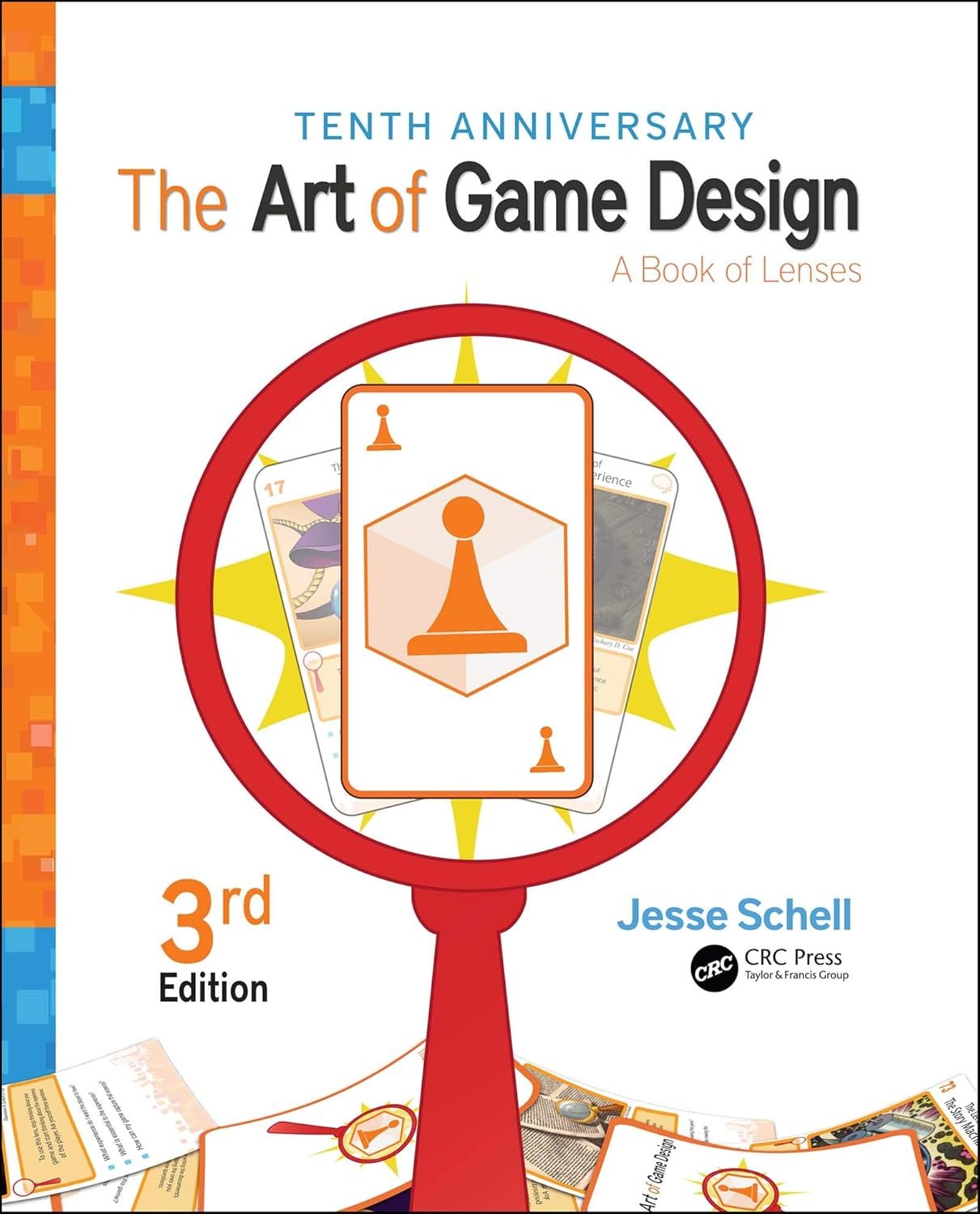
1. The Art of Game Design: A Book of Lenses by Jesse Schell
This is widely considered the absolute bible of the industry. Jesse Schell, a legendary professor and studio head, breaks down game design into over a hundred distinct "lenses"—different perspectives from which to view your interactive creation.
Key Concept: The Gamepocalypse and Play Authenticity
Schell’s work is vital for understanding how games are leaking out of computers and into real-world systems. He challenges designers to look at the psychological drivers of play: Why do we brush our teeth, buy cornflakes, or complete tasks when points are attached?Why You Need It: It shifts your mindset from "What features should my game have?" to "What emotional state is my player experiencing right now?"
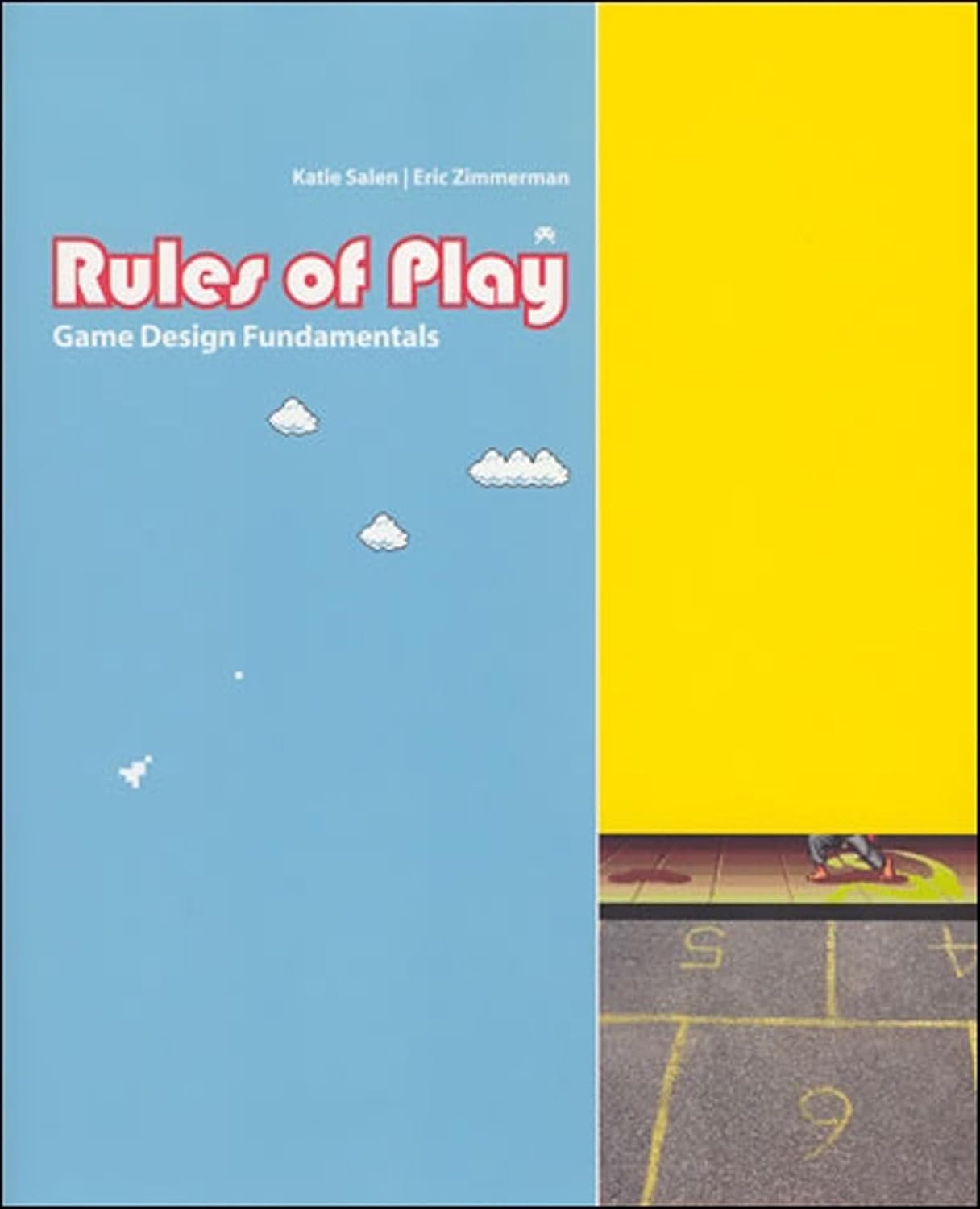
2. Rules of Play: Game Design Fundamentals by Katie Salen and Eric Zimmerman
If you want to understand games as formal systems of logic, math, and social structures, this is the academic gold standard.
Key Concept: Meaningful Play
Salen and Zimmerman define meaningful play as emerging from the relationship between a player's action and the system's outcome. If a player presses a button and nothing discernibly changes, or if the change has no impact on their long-term choices, the play is meaningless.Why You Need It: It teaches you the rigorous mathematics of systems architecture, balance, and conflict loops.
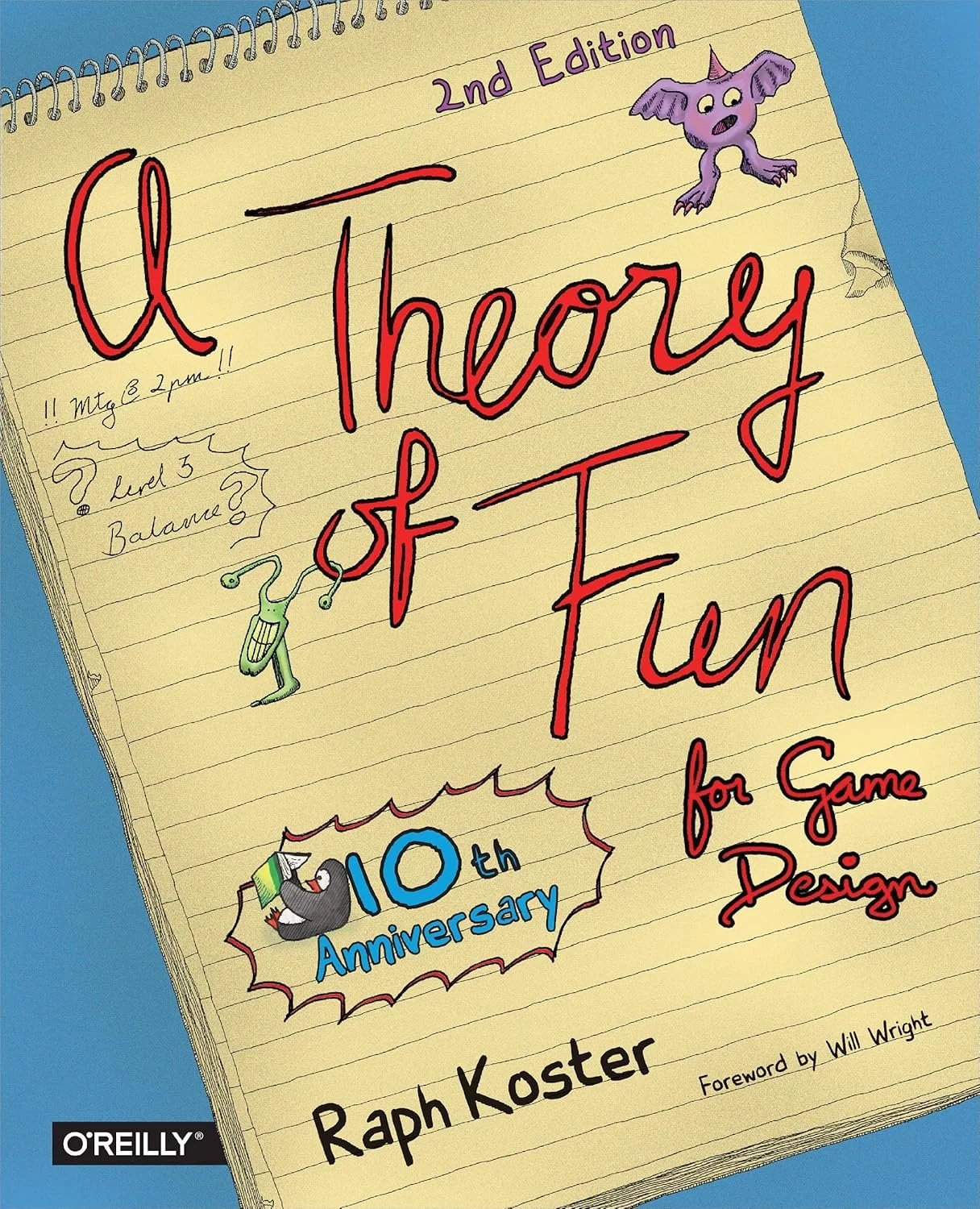
3. Theory of Fun for Game Design by Raph Koster
Why do we get bored of games? Why do we find them fun in the first place? Raph Koster argues that fun is simply the brain eating patterns.
Key Concept: The Cognitive Loop of Mastery
Our brains are pattern-matching machines. When a game presents a pattern we don't understand, we are engaged. Once we master that pattern completely, our brain stops receiving dopamine, and boredom sets in.Why You Need It: It teaches you how to pace your game's difficulty curve to keep players in a constant state of "flow"—hovering perfectly between anxiety (too hard) and boredom (too easy).
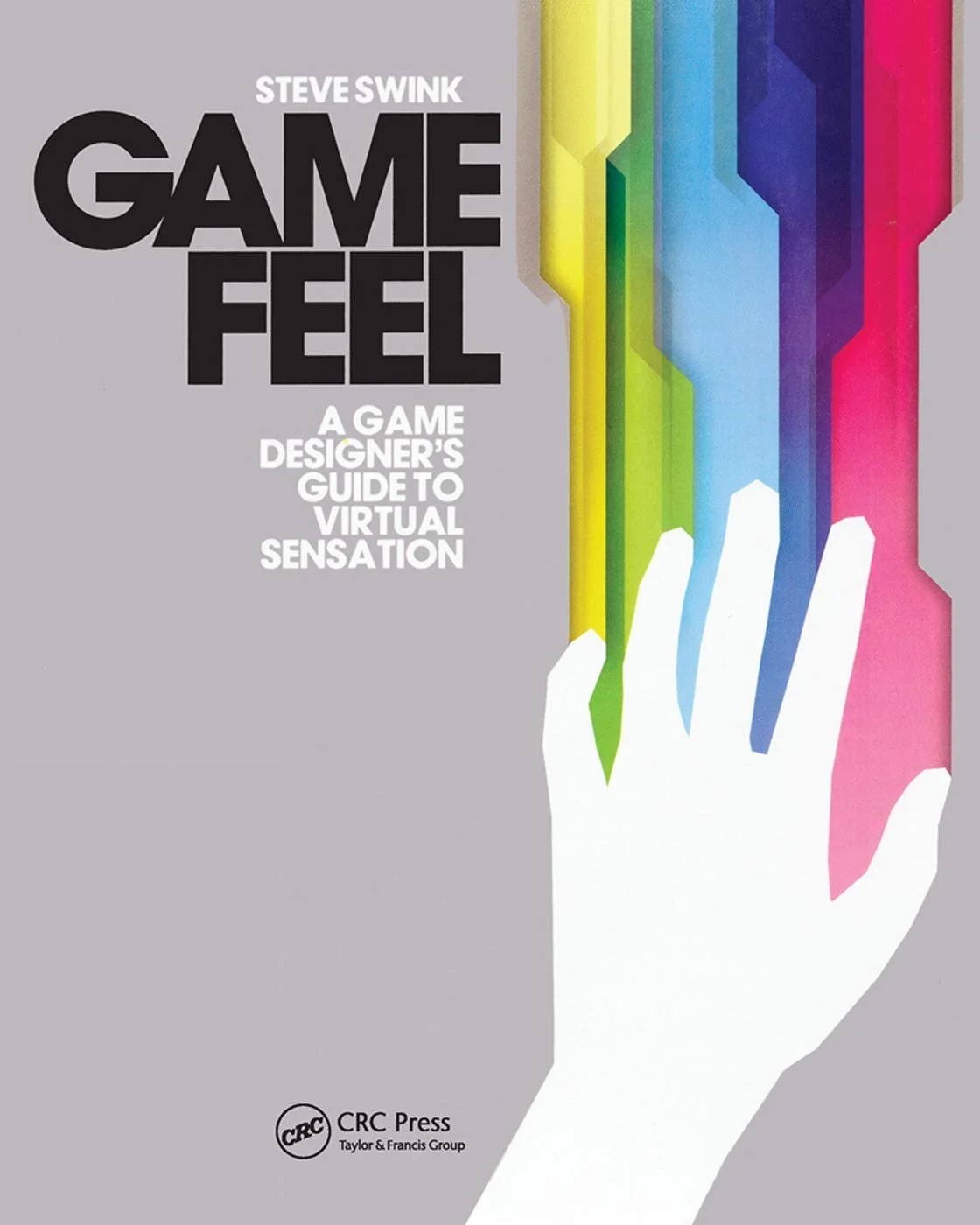
4. Game Feel: A Game Designer's Guide to Virtual Sensation by Steve Swink
Ever wonder why control in Super Mario Odyssey feels amazing, while other 3D platformers feel like sliding on wet ice? This book is entirely dedicated to the moment-to-moment physical sensation of play.
Key Concept: The Sensation of Control
Swink explains how input devices, response times, and real-time animation frames interact to create a tactile illusion of physical space inside the player's mind.Why You Need It: It demystifies the invisible "juice" (screenshake, deceleration curves, micro-pauses) that separates sloppy prototypes from polished masterworks.
Step Up Your Study
Reading is only half the battle; applying these lenses to actual projects is where real design competence is forged. To help you translate these foundational theories into actionable project steps, grab our Free Game Design Starter Kit, which includes active design worksheets modeled directly on these seminal texts.