Introduction: Moving Beyond the Grind
Every memorable game experience happens invisibly inside the mind of the player. When someone is completely suspended in a state of wonder, tension, or focus, they are not thinking about the underlying code, spreadsheet variables, or art assets running behind the scene. Instead, they are participating in an active, real-time conversation between your game's mechanics and the natural cognitive architecture of the human brain.
To transition from an amateur developer to a master creator, you must realize that game design is a form of behavioral psychology. You do not just build graphics or code; you shape human behavior, decisions, and emotions.
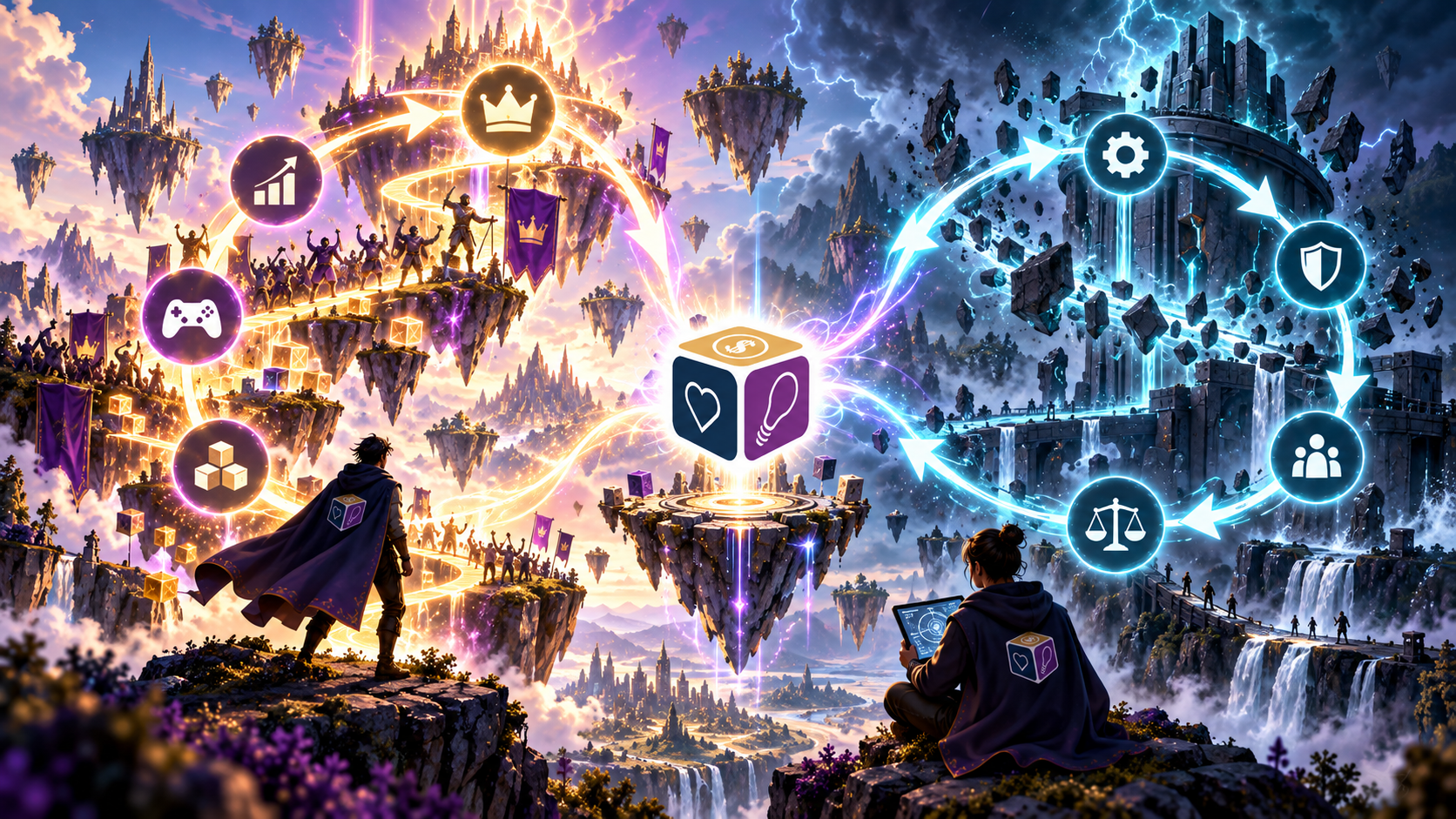
Many beginner developers believe players are driven solely by extrinsic rewards—level-ups, high scores, digital badges, and loot drops. But behavioral psychology proves that these superficial incentives are extremely fragile. True, long-term player retention is built on intrinsic motivation—the inherent satisfaction of playing the game itself.
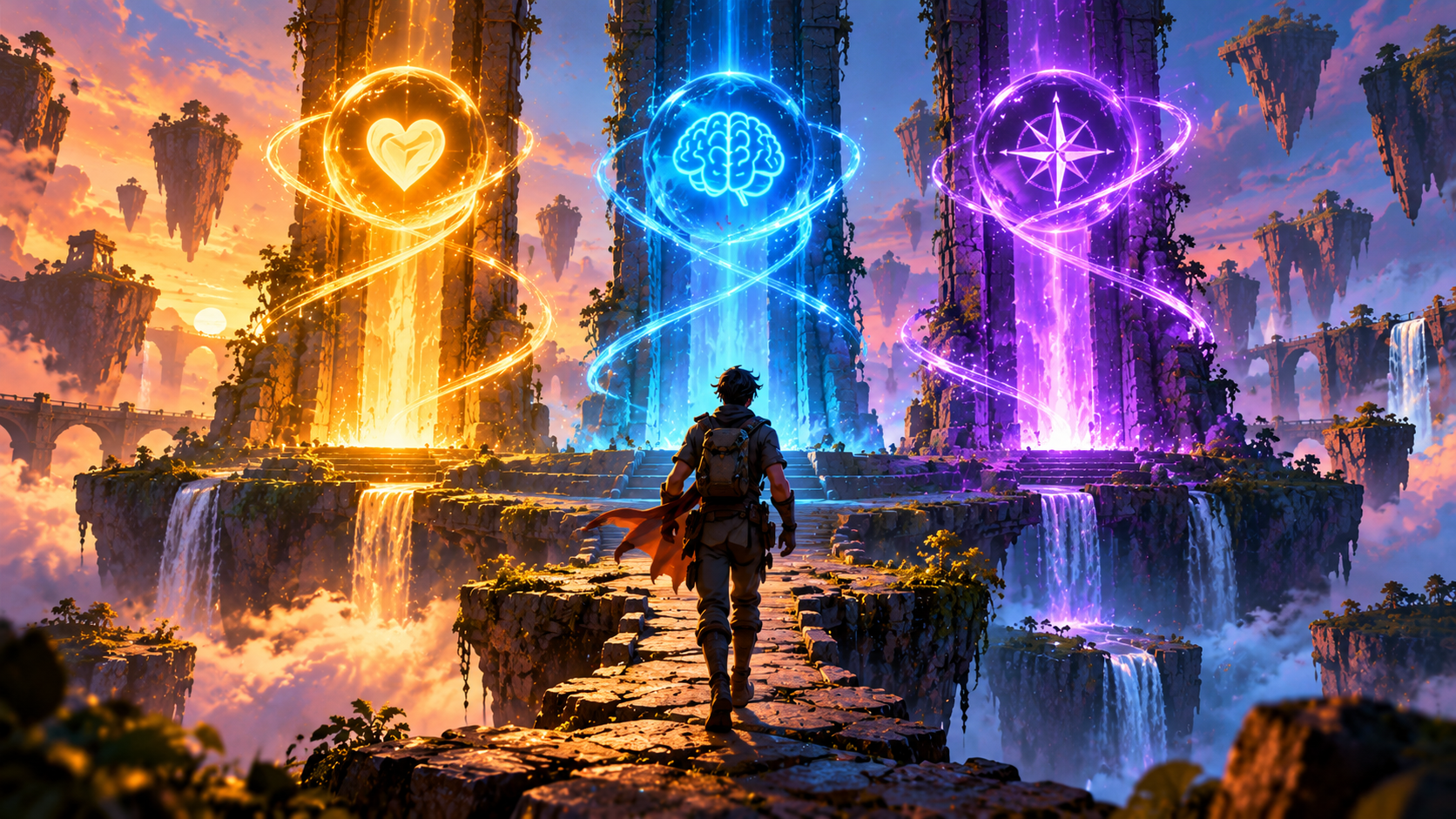
According to Self-Determination Theory (SDT), human beings are naturally drawn to interactive systems that satisfy three core psychological needs: Autonomy, Competence, and Relatedness.
1. Autonomy: The Power of True Agency
Autonomy is the feeling that a player's choices are genuinely their own. If a game forces a player down a rigid, unyielding path without respecting their decisions, their sense of autonomy collapses, and the experience begins to feel like a chore.
Providing autonomy does not require building a massive, budget-breaking open-world sandbox. Rather, it means creating a transparent "space of possibility" where the player's choices carry real weight:
Tactical Freedom: Allowing players to solve a puzzle or encounter using multiple mechanical approaches (e.g., stealth, brute force, or environmental interaction).
Meaningful Expressiveness: Giving players room to customize their playstyle, strategy, or narrative path.
Respecting Player Time: Avoiding artificial roadblocks that lock players into repetitive tasks just to progress.
2. Competence: The Satisfaction of Mastery
Competence is the feeling of growth, skill development, and efficacy. A game must challenge the player, but it must also provide a clear, fair, and satisfying pathway to improve and succeed.
In game design theory, competence is satisfied when a player moves from conscious struggle to intuitive mastery:
Clear Feedback Loops: The system must immediately acknowledge a player's action with clear sensory feedback so their brain can adjust its mental model.
Layered Goals: As highlighted in The Game Beyond design framework, effective progression relies on structuring layered goals:
Long-Term Goal: Save the Kingdom (The overarching "Why").
Mid-Term Goal: Defeat the Regional Warden (The Milestone).
Short-Term Goal: Craft a specialized shield (The Actionable Task).
When players see their immediate short-term tasks directly feeding into their mid-term and long-term power fantasies, their sense of competence flourishes.
3. Relatedness: Connecting to a Larger Context
Relatedness is the psychological need to feel connected to a larger purpose, world, or community. In games, relatedness manifests in several distinct ways:
Ludonarrative Alignment: Ensuring character motivations and story arcs perfectly match the player's mechanical actions.
Emergent Social Interaction: Designing multi-layered systems where different player archetypes (Achievers, Explorers, Socializers, Killers) interact and create organic social dynamics.
Shared World Logic: Giving the player's actions tangible consequences within the game environment or broader fictional universe.
Conclusion: Designing Intrinsic Systems
When you design around Autonomy, Competence, and Relatedness, your player loops stop feeling like a forced grind and start feeling like a deeply rewarding journey of self-discovery.
Ready to take your design skills to the next level? Step out of the passive consumer mindset and become an architect of human experiences.
👉 Master behavioral systems, player psychology, and ethical game loops inside The Serious Game Design School.