What Does a Game Designer Actually Do? (Expectation vs. Reality)
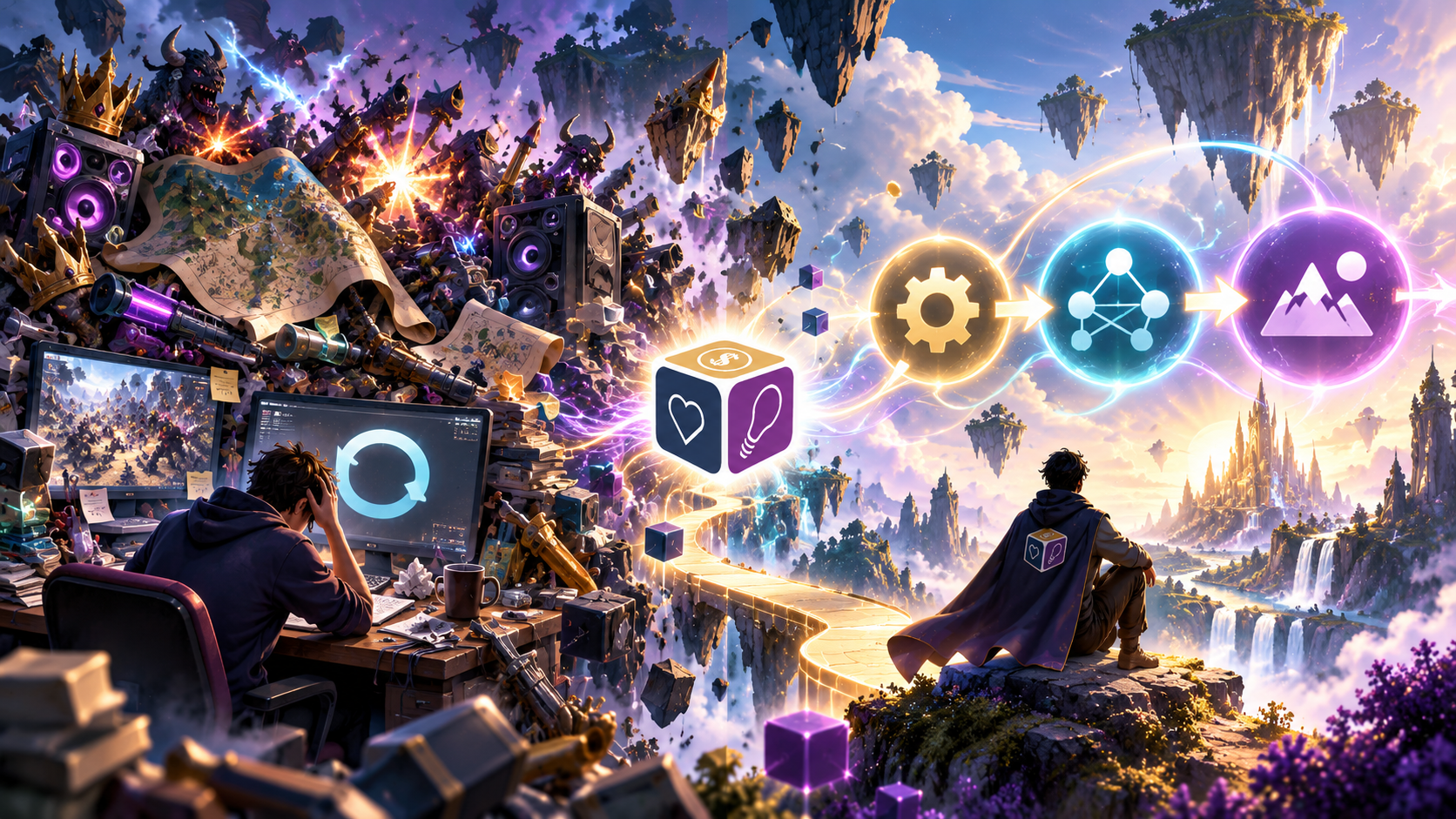
When you tell people you are a game designer, they usually picture one of two things:
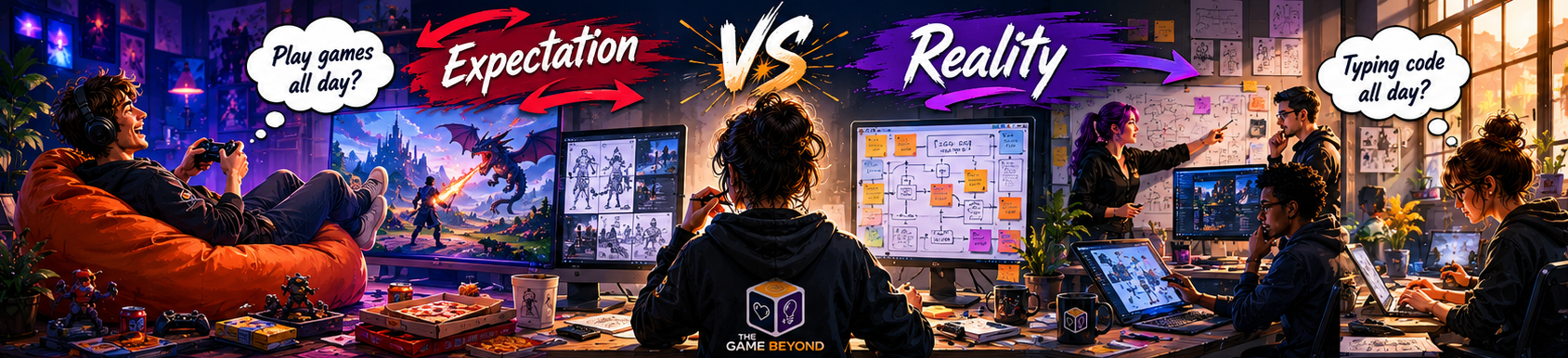
You sit on a beanbag chair all day playing video games.
You sit in front of a green screen of code, furiously typing out matrix equations.
The reality? Neither of those is accurate.
There is a massive difference between game design and game development (programming). While programmers write the code that makes the physics engine work, and artists draw the textures, the game designer is the architect of the player's experience.
Let’s break down the expectations versus the actual reality of the job.
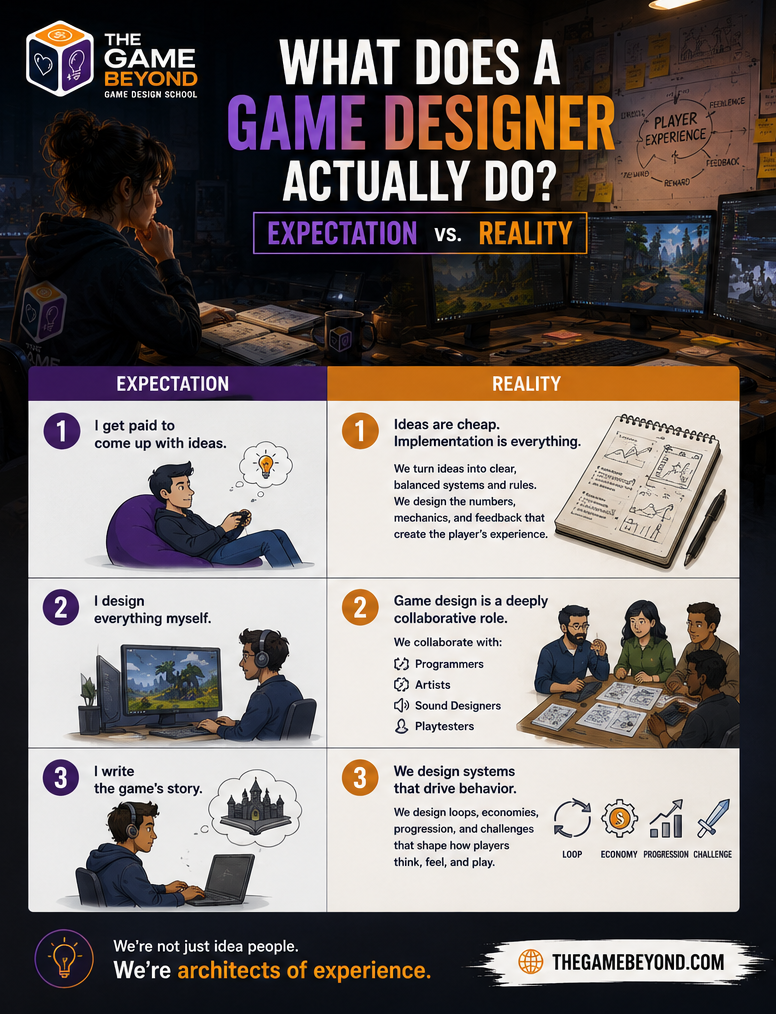
Expectation #1: "I get paid to come up with ideas."
The Reality: Ideas are cheap. Implementation is everything.
A studio doesn't hire someone just to say, "Hey, what if we made Grand Theft Auto, but with dragons?"
A game designer's job is to take an idea and translate it into clear, mathematically balanced systems. They write the rules. If a dragon breathes fire, the designer decides exactly how many frames of animation the player has to dodge, how much damage the fire does based on distance, and how the camera shakes to communicate the impact of the blast.
Expectation #2: "I design everything myself."
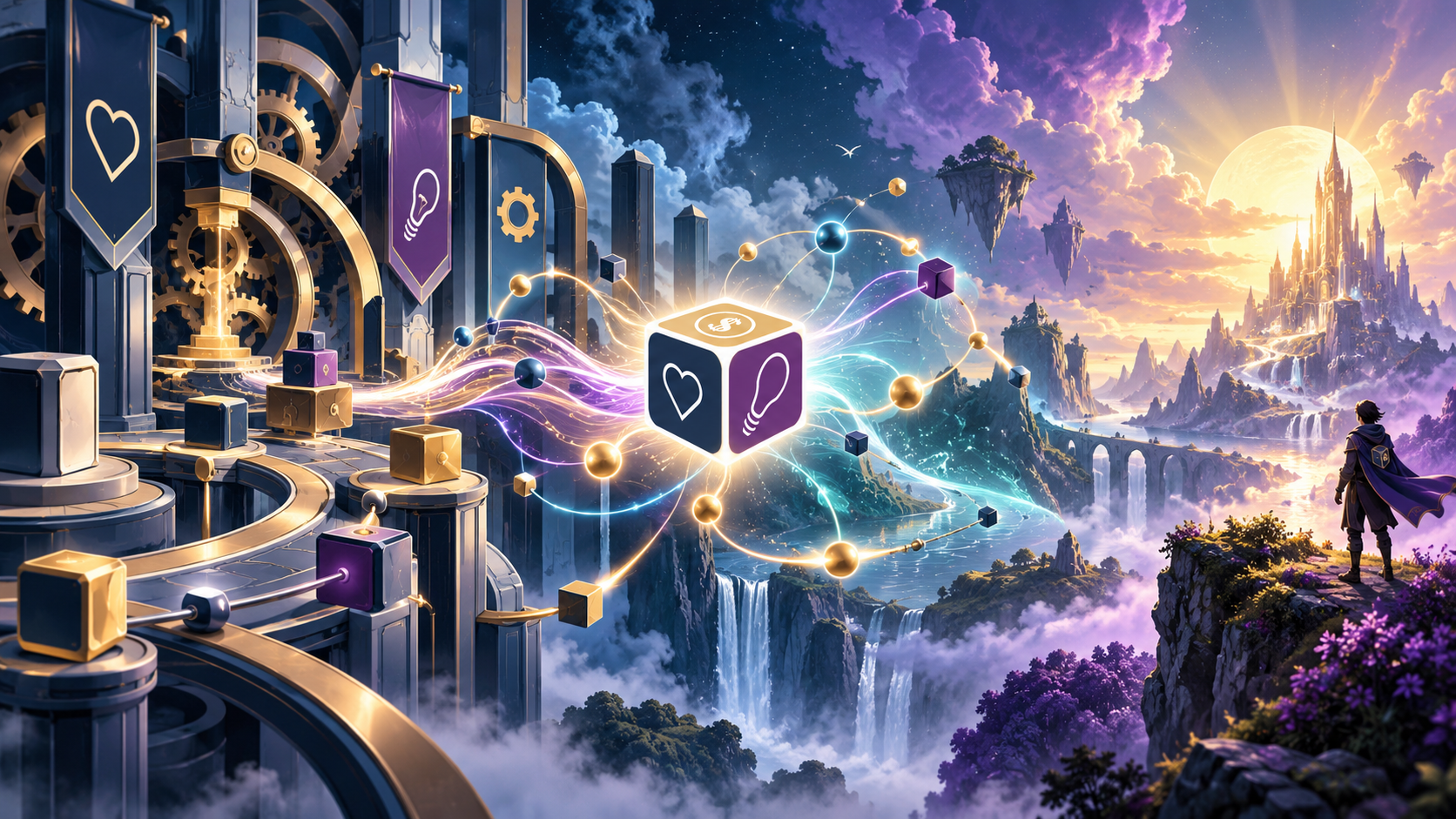
The Reality: Game design is a deeply collaborative, multidisciplinary role.
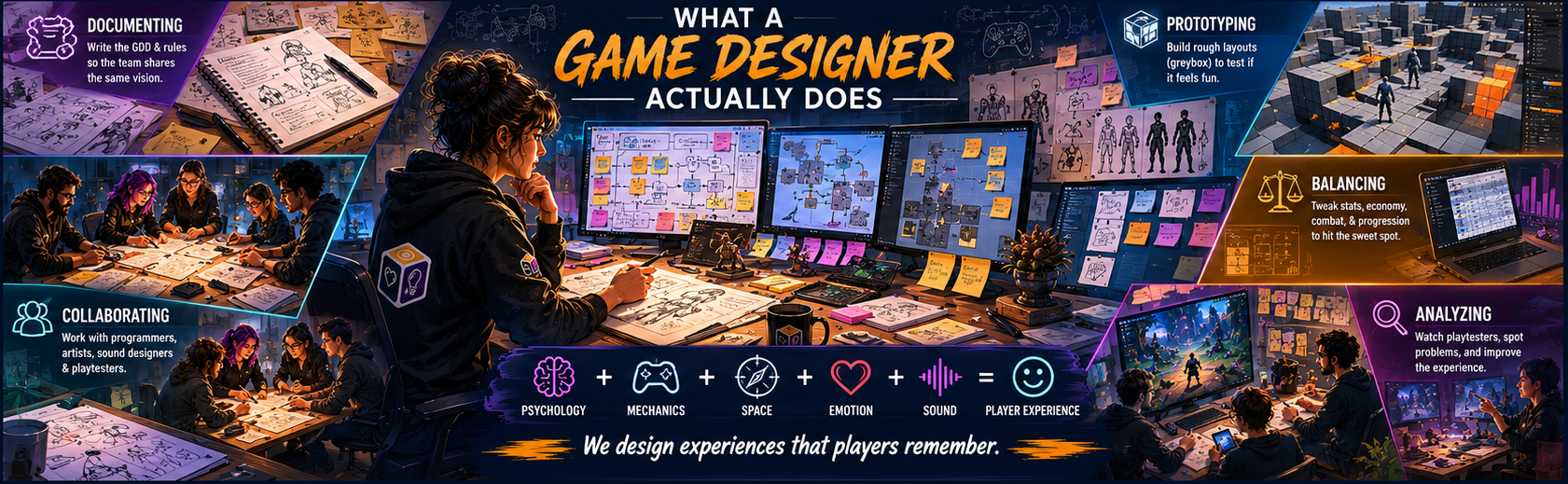
A designer is a bridge. On any given day, you will collaborate with:Programmers: To see if a mechanic is technically feasible.
Artists: To ensure the visual assets align with the game's emotional tone.
Sound Designers: To ensure the jump or weapon fire sounds "juicy" and satisfying.
Playtesters: To watch where people get lost and fix design flaws.
Expectation #3: "I write the game's story."
The Reality: Narrative designers write stories, but systems designers build behaviors.
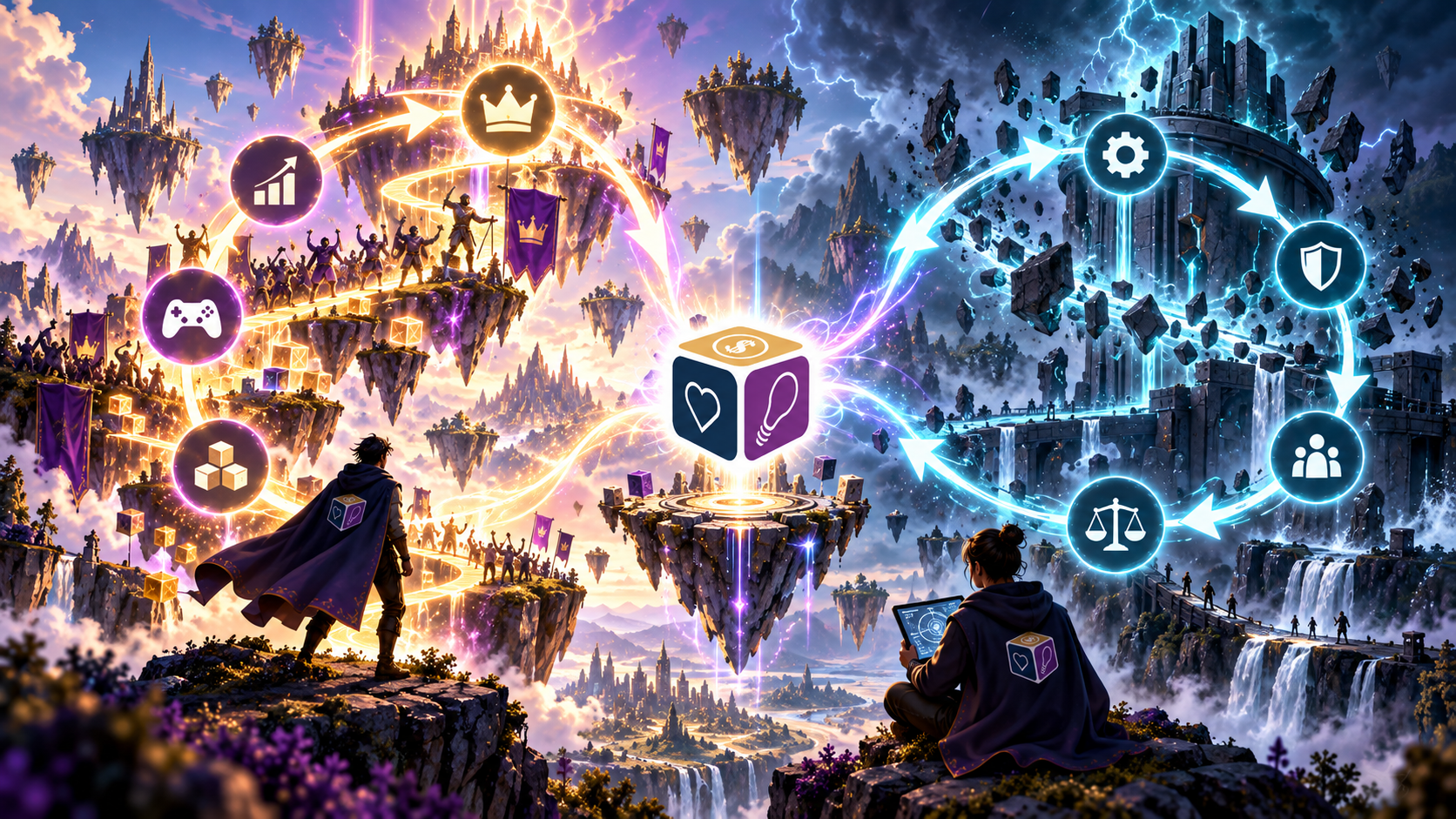
While some designers focus purely on narrative, most game designers focus on systems. You are designing loops of human behavior.
You determine how the economy of the game works (how many coins a player earns per minute, and how expensive the sword in the shop should be to keep them motivated but not frustrated). You design the psychology of the player's journey.
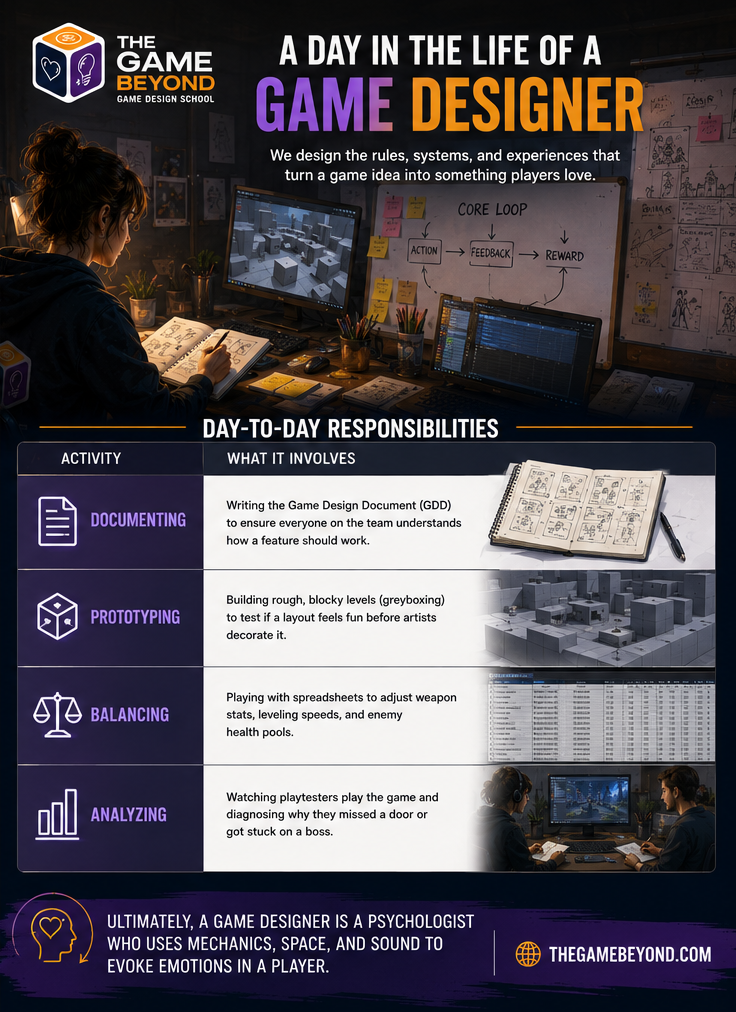
Day-to-Day Responsibilities of a Game Designer
If you look at a typical day for a game designer at an indie or AAA studio, it usually looks like this:
Documenting
Writing the Game Design Document (GDD) to ensure everyone on the team understands how a feature should work.
Prototyping
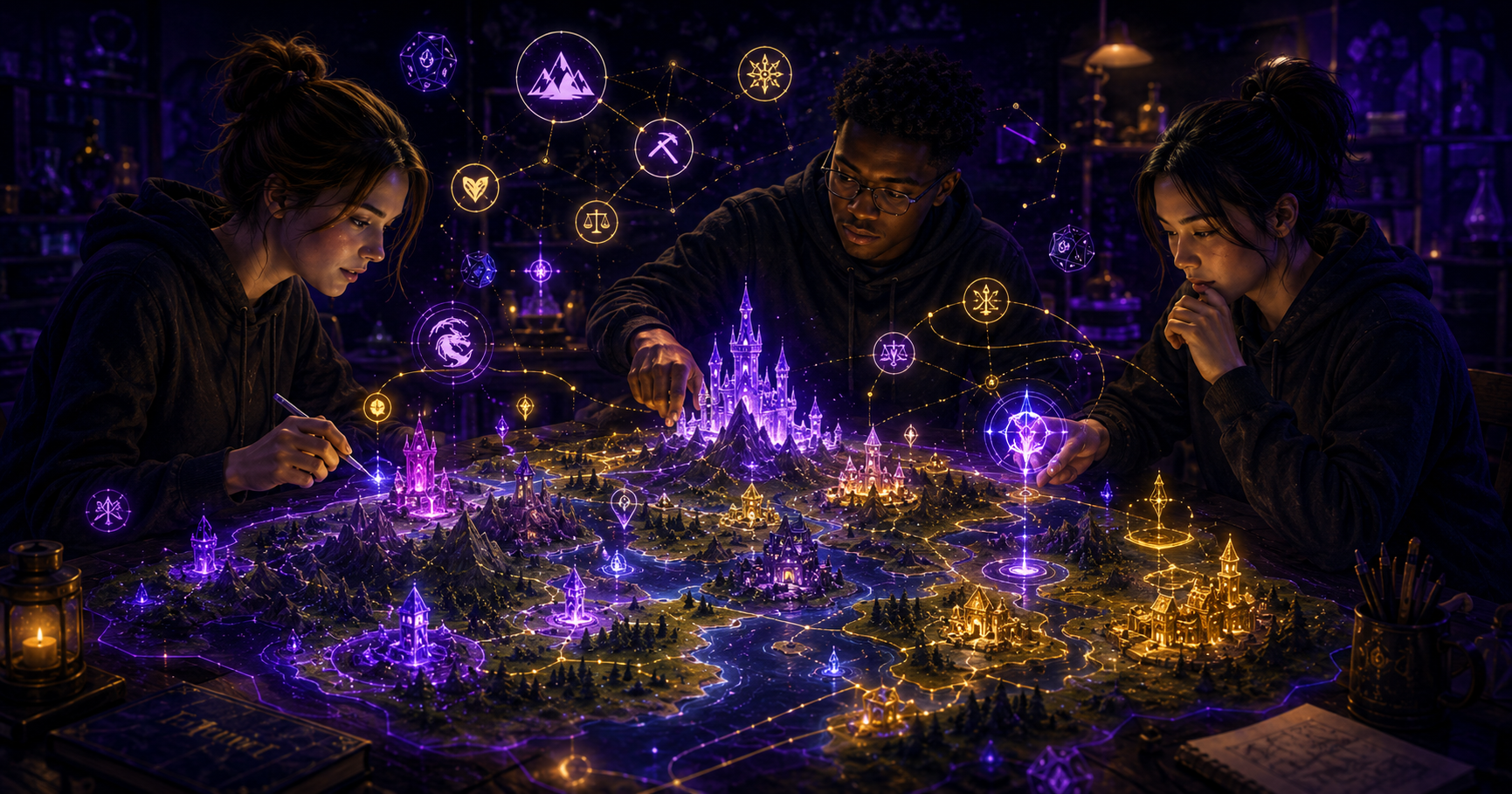
Building rough, blocky levels (called "greyboxing") to test if a layout feels fun before artists decorate it.
Balancing
Playing with spreadsheets to adjust weapon stats, leveling speeds, and enemy health pools.
Analyzing
Watching playtesters play the game and diagnosing why they missed a door or got stuck on a boss.
Ultimately, a game designer is a psychologist who uses mechanics, space, and sound to evoke emotions in a player.
Think you have what it takes? Dive deeper into the foundational structures of the craft by grabbing our Free Game Design Starter Kit.